

By Sam Khalife · July 31, 2026
Payment Gateways for Lebanese Online Stores: Whish, OMT, Tap, and Cash on Delivery
Lebanon doesn’t run on one payment habit. Here’s the real mix of cash on delivery, local wallets, and card gateways that actually converts — and when to use each.
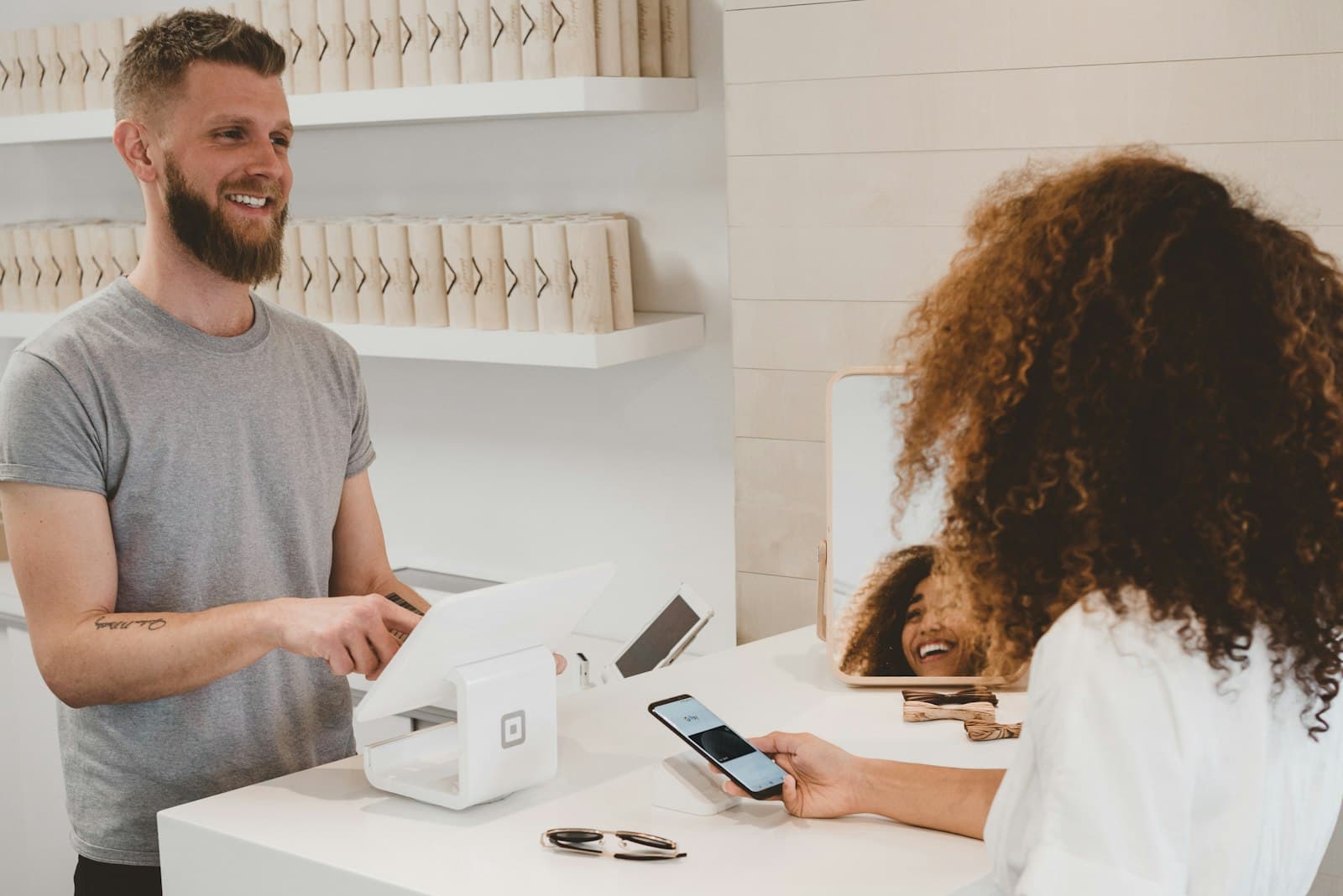
A Lebanese online store that only accepts one payment method is quietly turning away a chunk of its customers before they ever reach checkout. The market here doesn’t run on a single payment habit the way a lot of generic e-commerce guides assume — it runs on a mix, and getting that mix right is one of the highest-leverage things you can fix on an existing store.
Cash on delivery isn’t optional, it’s the default
For a large share of Lebanese shoppers, cash on delivery isn’t a fallback option — it’s the first and sometimes only method they trust for buying from a store they haven’t ordered from before. Dropping it to look more "modern" is one of the most common ways a new store loses first-time buyers. Keep it, even once card and wallet options are live.
Whish Pay: built for the unbanked reality here
Whish Money built its payment product around a real gap: a large part of the market that doesn’t use traditional banking day to day. Whish Pay lets a customer pay straight from their Whish balance, and the brand carries real trust from its physical cash-in/cash-out network across Lebanon. It plugs natively into Shopify, WordPress, and custom builds, which makes it one of the easier local methods to add regardless of what platform your store runs on.
OMT Pay: the other major dual-currency wallet
OMT Pay is a genuine electronic wallet, not just a transfer service — customers fund it in both USD and LBP, pay in-store by scanning a QR code, and send wallet-to-wallet transfers, the same core mechanics as Whish. For online checkout specifically, a lot of Lebanese merchants integrate the simpler of OMT’s two options: the customer pays through OMT and confirms with a reference number rather than filling out a card-style form. That’s a lighter integration choice, not a limitation of the wallet itself — and it suits certain orders well: B2B purchases, high-ticket items, or any sale where the buyer would rather use a wallet they already trust than hand over card details to a store they don’t know yet.
Tap and Areeba: the card-processing layer
For actual credit and debit card payments, Tap Payments and Areeba are the two gateways doing the heavy lifting for Lebanese merchants right now. They handle the part cash and wallet apps can’t — a customer who wants to pay by Visa or Mastercard the way they would on any international store. Most stores running a full setup layer one of these in alongside COD and a local wallet, rather than picking just one.
What an actual 2026 setup looks like
- Cash on delivery, kept as the default, not phased out.
- A card gateway — Tap or Areeba — for customers who want to pay by card.
- Whish Pay or OMT Pay layered in for customers who prefer paying from a local wallet over a card form.
That combination covers the realistic range of how people in Lebanon actually want to pay, instead of betting the whole store on one method that fits a fraction of the market.
The mistake to avoid
Don’t pick a payment stack based on what’s easiest to integrate. Pick it based on how your actual customers pay for things elsewhere. A boutique selling internationally shipped goods needs a different mix than a local shop whose customers already default to cash. Ask which methods are actually being used at checkout once the store is live, and adjust — the right mix isn’t always the one you guessed at launch.
FAQ
Questions, answered.
- Do I still need cash on delivery if I accept card payments in Lebanon?
- Yes. For a large share of Lebanese shoppers, cash on delivery is the first and sometimes only payment method they trust from a store they have not ordered from before, especially card-hesitant first-time buyers. Dropping it to look more modern is one of the most common ways a new store loses first-time customers.
- What is the difference between Whish Pay and OMT Pay?
- Both are genuine dual-currency digital wallets, not just transfer services — customers fund either one and pay from the balance. The practical difference is checkout integration: Whish plugs into a native checkout on Shopify, WordPress, and custom builds, while a lot of Lebanese merchants integrate OMT's simpler option instead, where the customer pays through OMT and confirms with a reference number. That lighter flow suits B2B orders or high-ticket sales where the buyer trusts a wallet they already use more than handing over card details.
- Which gateway should I use for card payments in Lebanon?
- Tap Payments and Areeba are the two gateways currently doing most of the card-processing work for Lebanese merchants, handling Visa and Mastercard the way an international store would. Most full setups layer one of these alongside cash on delivery and a local wallet like Whish or OMT, rather than relying on just one method.
Keep reading
Related to what we do.
- Explore
E-Commerce in Lebanon
Online stores built with Whish Pay, OMT, and local payment options from day one.
- Explore
Payments & Fulfillment in Lebanon
Rather not wire it up yourself? We integrate Whish Pay, OMT Pay, cards and cash on delivery, and connect the couriers too.
- Explore
Shipping and Delivery in Lebanon
The other half of the problem — courier zones, what cash on delivery really costs, and when you actually get paid.
- Explore
Card Payments in Lebanon Jumped 130%
Why cards are moving from bonus to expectation at Lebanese checkouts, and what Banque du Liban changed.
Let's build
Got something to build? Let’s make noise.
Tell us what you're building. We'll come back with a real plan and a straight timeline, not a pitch deck.