

By Ziad Khalife · October 5, 2026
Card Payments in Lebanon Jumped 130% This Year. Is Your Business Keeping Up?
Card transactions in Lebanon rose about 130% in the first eight months of 2026, and Banque du Liban has halved merchant fees in key sectors. Here’s what that means for your shop, your online store, and the “+3% on card” sign.
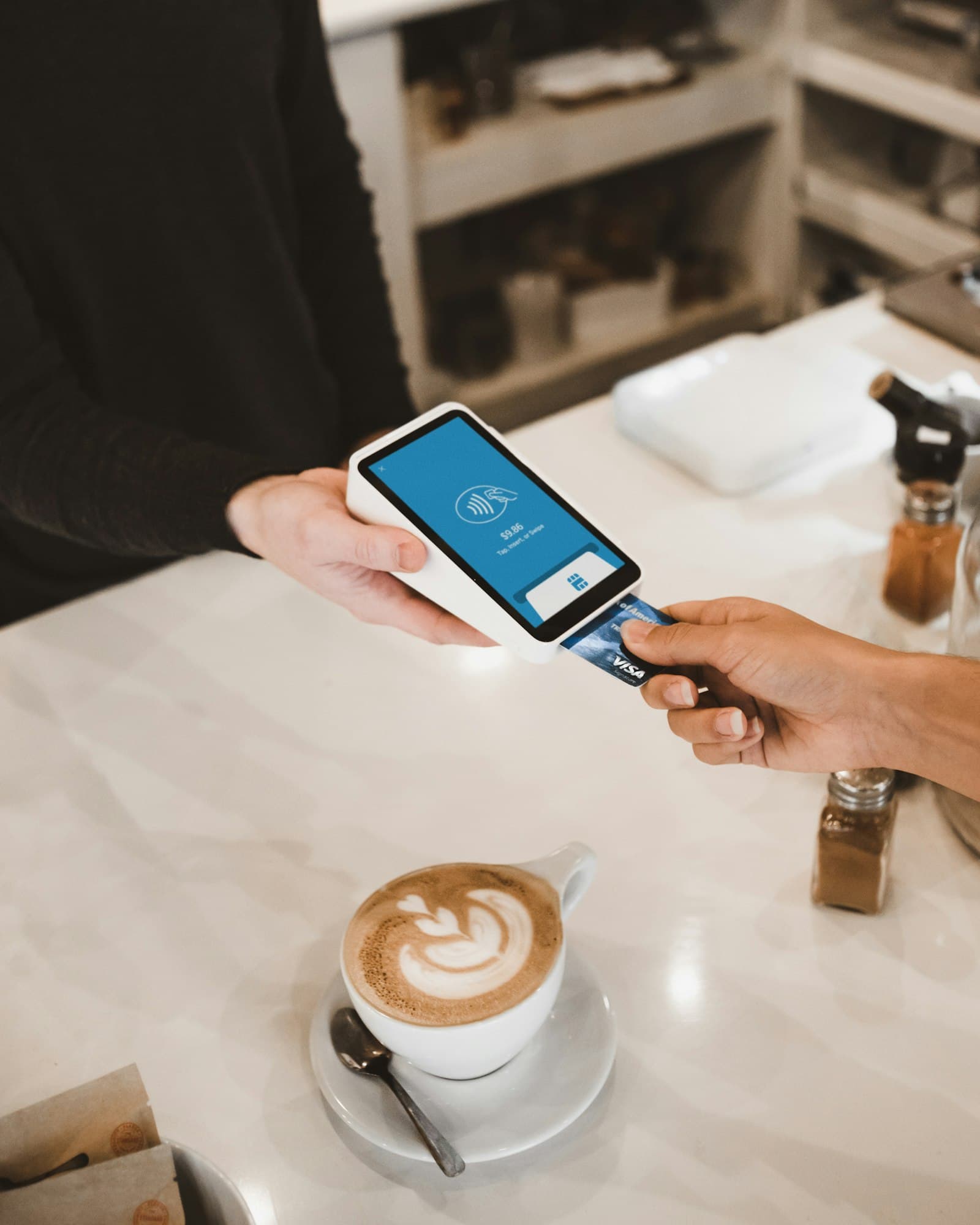
For a few years after 2019, paying by card in Lebanon felt like a small act of optimism. Plenty of shops would not take one, the ones that did often added a surcharge, and “cash or Whish?” became the default question at the counter. That habit is shifting faster than most people noticed. According to figures reported by LBCI in September, the number of card transactions in Lebanon rose by about 130% in the first eight months of 2026 compared with the same period last year. Customers are reaching for their cards again, and the rules around accepting them have changed too.
What actually changed
Banque du Liban issued a circular this spring, in force since June 15, that does three things worth knowing:
- It caps what banks can charge merchants on payments with locally issued cards at 1.25% per transaction, down from as much as 2.5%, in a list of sectors treated as essential: supermarkets and mini-markets, bakeries, gas stations, pharmacies and hospitals. On a $100 sale, that is $1.25 instead of $2.50.
- It tells banks to stop merchants from adding a surcharge for paying by card, whether at a terminal or through another electronic payment method. The goal is simple: a card should not cost the customer more than cash.
- It comes with enforcement. The Ministry of Economy monitors merchant compliance, so this is not a suggestion that fades after a month.
The point of all of it is to pull Lebanon’s economy back from cash: fewer thefts, more transparency, and a payments system that looks like the rest of the world again.
If you run a shop in one of those sectors
Your card fees on local cards just roughly halved, which removes the main reason many stores gave for surcharging or refusing cards in the first place. Three practical moves: check that your bank has actually applied the new rate on your statements, take down any “+3% on card” sign, and make card acceptance obvious at the door and the till. A customer who is used to paying by card at the supermarket will notice who still says “cash only.”
If you are not in one of those sectors
The 1.25% cap is not yours, but the change in customer behaviour is. Habits do not stay in the aisle where they started: someone who taps a card for groceries and medicine expects to do the same at a boutique, a restaurant or a clinic. If your current rate feels high, it is a reasonable moment to ask your acquiring bank what they can offer. And if you have been surcharging card payments, ask your bank how the circular applies to you before a customer asks for you.
What it means for your online store
This is where the shift gets interesting for anyone selling online. For years the honest advice for a Lebanese store was “lead with cash on delivery, add Whish or OMT, treat cards as a bonus.” With card use climbing this fast, cards move from bonus to expectation:
- Offer card payment at checkout through a gateway that works with Lebanese-issued cards, alongside your other methods. Our breakdown of payment gateways for Lebanese online stores covers the realistic options.
- Keep cash on delivery. It still closes a large share of orders here, and the customers who prefer it have not gone anywhere. The goal is more ways to pay, not fewer.
- Show your payment methods before checkout, on product pages and in your footer, not as a surprise at the last step. People abandon carts over doubt as much as price.
- Update your Google Business Profile. It has payment options you can tick, including credit cards, debit cards and mobile payments. A searcher deciding where to go often checks exactly that.
- Fix your WhatsApp order flow. If orders come in by message, send a card payment link instead of only asking for cash at the door.
If you are wondering about phone wallets, we covered the current state of Apple Pay and Google Pay in Lebanon separately. The short version: Google Pay already works with cards from most major Lebanese banks, Whish and OMT, while Apple Pay still does not work with any Lebanese-issued card.
A quick checklist for this month
- Read your last two bank statements and confirm the fee you are actually paying.
- Remove any card surcharge, in store and online.
- Put card logos where customers decide: the entrance, the till, the product page, the checkout.
- Add card payments to your online checkout if they are not there yet, without dropping COD, Whish or OMT.
- Tick the payment options on your Google Business Profile.
The bottom line
Lebanon is not becoming cashless overnight, and nobody should pretend it is. But a 130% jump in card transactions in eight months is the kind of change customers feel before businesses do. The shops and stores that make paying by card easy now, while their competitors still hesitate, will be the ones customers remember as the easy place to buy. If you want help setting up payments and fulfilment that fit how Lebanon pays today, that is exactly what we do.
FAQ
Questions, answered.
- Are card payments growing in Lebanon?
- Yes, quickly. According to figures reported by LBCI in September 2026, the number of card transactions in Lebanon rose by about 130% in the first eight months of 2026 compared with the same period in 2025.
- What is the new card fee cap for merchants in Lebanon?
- A Banque du Liban circular in force since June 15, 2026 caps the fee banks can charge merchants on locally issued card payments at 1.25%, down from as much as 2.5%, in sectors including supermarkets and mini-markets, bakeries, gas stations, pharmacies and hospitals.
- Can a shop in Lebanon charge extra for paying by card?
- The same circular tells banks to stop merchants from adding a surcharge for card payments, at a terminal or through other electronic payment methods, and the Ministry of Economy monitors compliance. If you still add a card surcharge, ask your bank how the rule applies to your business.
- Should a Lebanese online store still offer cash on delivery?
- Yes. Cash on delivery still closes a large share of online orders in Lebanon. The aim is to add card payments at checkout alongside COD, Whish and OMT, so every customer can pay the way they prefer.
Keep reading
Related to what we do.
- Explore
Payments & Fulfilment in Lebanon
Card checkout alongside Whish, OMT and cash on delivery, plus the couriers behind it.
- Explore
Payment Gateways for Lebanese Online Stores
The realistic options for taking card payments online in Lebanon, compared.
- Explore
Apple Pay & Google Pay in Lebanon
Which phone wallets work with Lebanese cards today, and which still do not.
Let's build
Got something to build? Let’s make noise.
Tell us what you're building. We'll come back with a real plan and a straight timeline, not a pitch deck.